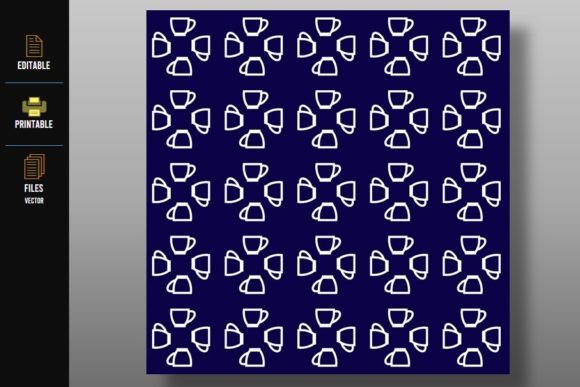
Colored Vector Pattern: Modern Design Texture
When a background feels flat, it can drag down an entire composition. Whether you are building a website, designing a logo, or creating packaging, the texture behind your content sets the mood. This is where a high-quality asset like the Colored Vector Pattern becomes an indispensable tool. It is not just a decoration; it is a foundational element that adds depth, personality, and professionalism to your work without overpowering your main message.
The Colored Vector Pattern is designed to be seamless, elegant, and fully editable. It provides a modern aesthetic that fits perfectly into contemporary design trends. Because it is vector-based, it maintains its crispness at any scale, from a small icon to a massive billboard. This versatility makes it a go-to resource for designers who need reliable, high-resolution textures that adapt to various creative contexts.
Understanding the Visual Character of This Asset
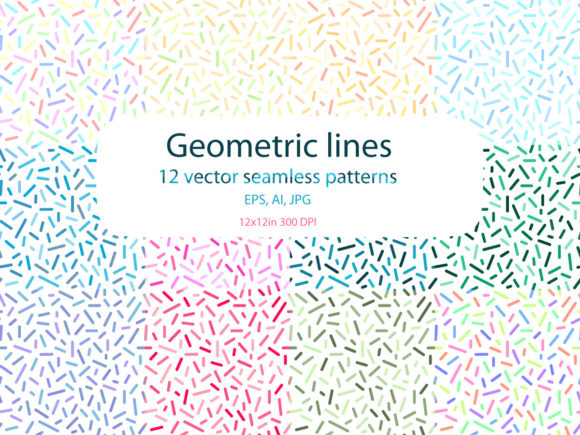
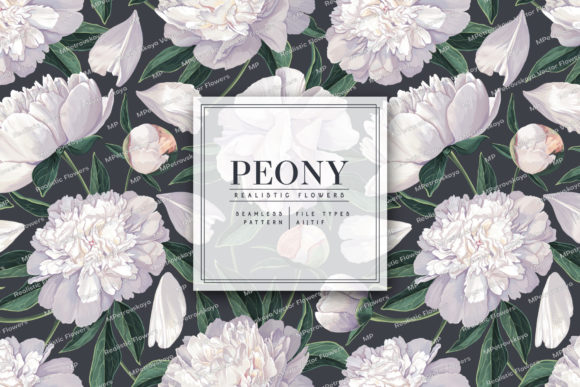
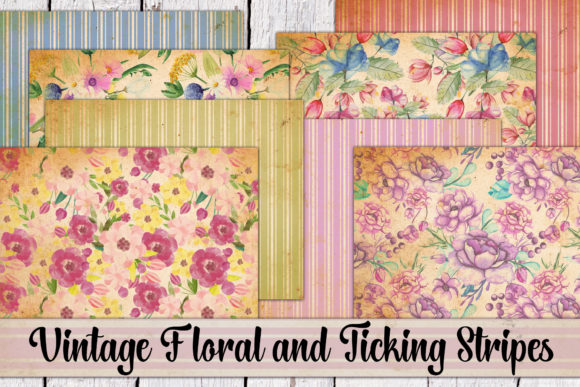
What makes this specific pattern stand out in a sea of design assets? It comes down to the balance between color and structure. The pattern features a sophisticated arrangement of geometric or abstract shapes that tile perfectly. This seamless nature means you can apply it to large surfaces—like a website hero section or a full-bleed print background—without seeing any awkward seams or breaks in the flow.
Delivered in RGB color mode at a resolution of 2000 by 2000 pixels, the file is optimized for digital use but robust enough for high-quality print applications. The "fully layered" aspect is particularly valuable for creative professionals. Instead of a flattened image, you receive a file where individual elements are separated. This allows you to adjust colors, remove specific shapes, or alter the opacity of certain layers to match your specific brand identity. It gives you control over the visual hierarchy, ensuring the background supports your typography and imagery rather than competing with them.
Strategic Applications for Brands and Creators
A pattern is only as good as its application. The Colored Vector Pattern excels in scenarios where you need to inject energy and modernity into a design. For entrepreneurs and small business owners, this asset can be the key to unlocking a cohesive look across multiple platforms.
Digital Presence and Web Design
In web design, backgrounds often suffer from being too plain or too busy. This pattern strikes a middle ground. It works exceptionally well for hero sections, footer designs, or sidebar accents. Because it is a seamless texture, you can use it to create subtle movement on a landing page. When paired with clean sans serif fonts, it creates a look that feels tech-forward and approachable. For social media graphics, using this pattern as a background for quotes or announcements helps your content stand out in a crowded feed, increasing audience engagement.
Branding and Packaging
Consistency is the cornerstone of brand identity. If you are developing a brand from scratch, incorporating a custom pattern can significantly boost recognition. The Colored Vector Pattern can be adapted for packaging design, wrapping paper, or shopping bags. Imagine a boutique clothing brand using this pattern on their tissue paper and thank-you cards. It elevates the unboxing experience, making the brand feel more premium and thoughtful. It acts as a premium font does for text—communicating quality through visual cues.
Editorial and Publishing
For bloggers, publishers, and content creators, visual breaks are essential for keeping readers engaged. This pattern can be used as a chapter opener in an eBook, a background for pull quotes in editorial design, or a header image for a newsletter. Its versatility allows it to complement various styles, whether you are going for a playful vibe with bright colors or a sophisticated mood with muted tones.
Influence on Readability and Perception
One of the most common pitfalls in using background patterns is compromising readability. A design asset should never make your text hard to read. The Colored Vector Pattern is designed with this in mind. Its structure allows for easy adjustment of opacity or color intensity.
When you lower the opacity of the pattern, it recedes into the background, providing texture without visual noise. This ensures that your primary message—whether set in a bold display font or a delicate script font—remains the focal point. The psychological impact is significant; a well-chosen background texture suggests that the brand pays attention to details. It builds trust and communicates a level of professionalism that generic white backgrounds often lack.
Furthermore, the choice of colors within the pattern can influence mood. Cool blues and greens might evoke calmness and trust, while vibrant reds and yellows convey energy and urgency. Because the file is editable, you have the power to manipulate these psychological triggers to align with your campaign goals.
Practical Guide to Implementation and Pairing
Integrating a new design asset into your workflow requires a strategic approach. Here is how to get the most out of the Colored Vector Pattern.
Evaluating Project Fit
Before applying the pattern, consider the personality of your project. Is it corporate and serious, or fun and whimsical? This pattern leans towards modern and clean aesthetics. It pairs best with projects that value clarity and contemporary design. If your project requires a vintage or distressed look, you might need to heavily modify the pattern or choose a different asset.
Font Pairing Strategies
The relationship between a background pattern and your typography is crucial. Since the Colored Vector Pattern has a distinct visual texture, it pairs best with typefaces that offer high legibility.
- Sans Serif Fonts: These are the safest bet. A geometric sans serif complements the clean lines of a vector pattern, creating a cohesive, modern look.
- Serif Fonts: If you want a more traditional or editorial feel, use a classic serif for headlines. The contrast between the ornate serifs and the geometric background creates visual interest.
- Handwritten or Script Fonts: Use these sparingly. A script font works well for logos or accent text placed on top of the pattern, but avoid using it for long paragraphs, as the busy background could make it difficult to scan.
Technical Tips for Best Results
Since the asset is fully layered, take advantage of the editing capabilities. Do not just drag and drop the default file. Adjust the colors to match your client's specific hex codes. If you are using the pattern for print, ensure you convert the RGB colors to CMYK to avoid color shifting. For web use, you can export the pattern as a smaller tileable PNG or SVG to ensure fast page load times without sacrificing quality.
Conclusion
In the toolkit of a modern designer, high-quality textures are just as important as high-quality fonts. The Colored Vector Pattern offers a blend of elegance, editability, and resolution that meets the demands of today's digital and print landscapes. By using this asset thoughtfully, you can transform a mundane layout into a polished, engaging brand experience that resonates with your audience. It is a small detail that makes a massive difference in the perceived value of your work.